Building a Predictable Freelance Pipeline
Most freelancers have a feast-or-famine cycle because they have no pipeline system. Here is a two-hour-per-week framework to keep client leads flowing consistently.

Most freelancers feast or famine. They land a project, get busy, stop prospecting, finish the work, panic, scramble for leads, and repeat. The pipeline is not broken — it never existed.
A predictable freelance pipeline is not about working more. It is about doing a small amount of consistent work so that new clients are always in motion, even when you are heads-down on current projects.
Why Most Freelancers Have No Pipeline
The default freelance workflow is reactive. You finish a project, reach out to old contacts, post on social media, apply to five job board listings, and hope something bites. Sometimes it works. Most of the time there is a two-to-six week gap between projects.
That gap is not a slow market. It is a missing system.
The freelancers who consistently earn $8,000 to $20,000+ per month treat client acquisition like a background process — something that runs continuously at low cost, not an emergency that fires when the bank account drops.
The Three Layers of a Predictable Pipeline
A sustainable freelance pipeline has three layers running at the same time.
Layer 1: Cold Outreach (New Leads)
This is the top of your pipeline. Every week, you identify and reach out to a fixed number of new prospects — not hundreds, but a consistent number you can do without burning out. Ten to twenty personalized emails per week is enough for most freelancers to maintain a full schedule.
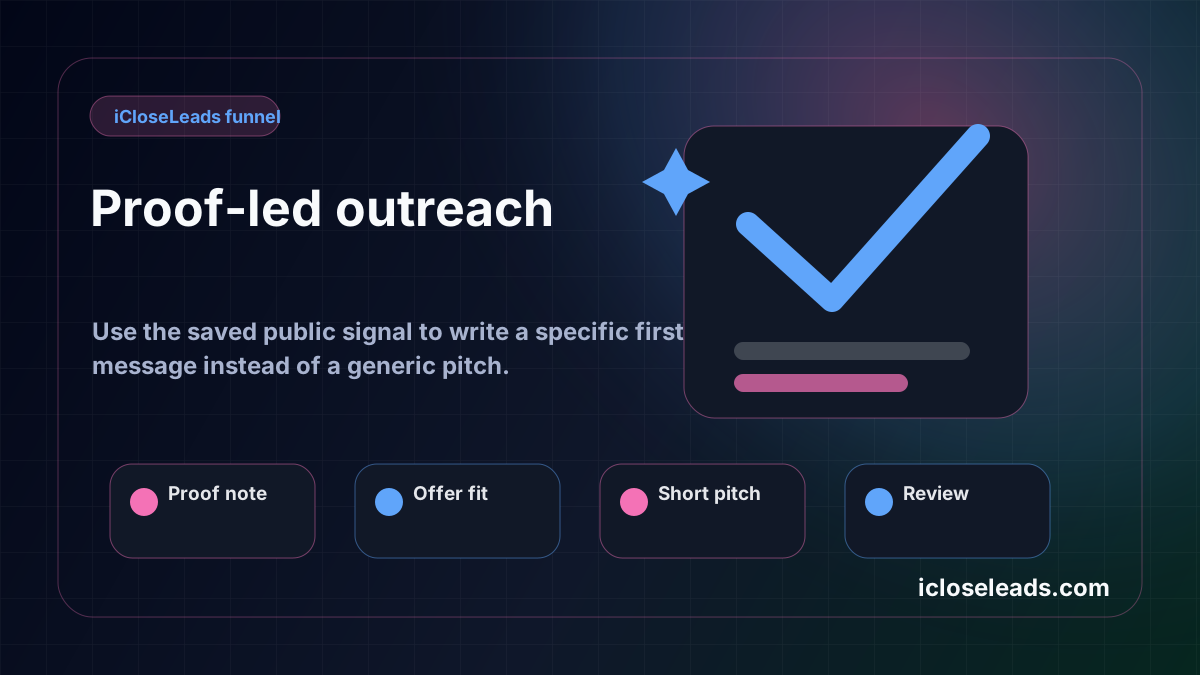
The key word is personalized. Generic outreach gets ignored. One line about a specific problem you noticed on their site or in their job post changes the response rate dramatically.
Tools like iCloseLeads pull fresh leads from job boards, Reddit, local business databases, GitHub, and 20+ other sources, so you are not spending two hours just building a list before you can write a single email.
Layer 2: Follow-Up (Warm Leads)
Most freelancers give up after one email. That is a mistake. The majority of client conversations happen after the second or third touchpoint. A simple follow-up sequence — three emails over ten days — doubles your reply rate with no extra prospecting work.
Keep a CRM or even a plain spreadsheet with three columns: contact, last outreach date, next follow-up date. Review it every Monday. That is it.
Layer 3: Warm Referrals and Past Clients
Past clients are your cheapest source of new work. A quick check-in email every three months keeps you top of mind without being pushy.
A single line at the end of every project — “If you know anyone who needs [your service], I would appreciate the introduction” — is worth more than a dozen cold emails.
What a Weekly Prospecting Routine Looks Like
You do not need hours every day. You need a consistent block each week.
A workable routine for a busy freelancer:
- Monday (30 min): Review your lead tool, pick 15 new prospects that match your niche, save them.
- Tuesday (45 min): Write and send 10–15 personalized outreach emails.
- Wednesday (15 min): Follow up with anyone from last week who has not replied.
- Friday (15 min): Check replies, schedule discovery calls, update your pipeline tracker.
That is roughly two hours a week. At scale, two hours of consistent prospecting keeps most freelancers with more leads than they can handle.
How to Score Leads So You Stop Wasting Time
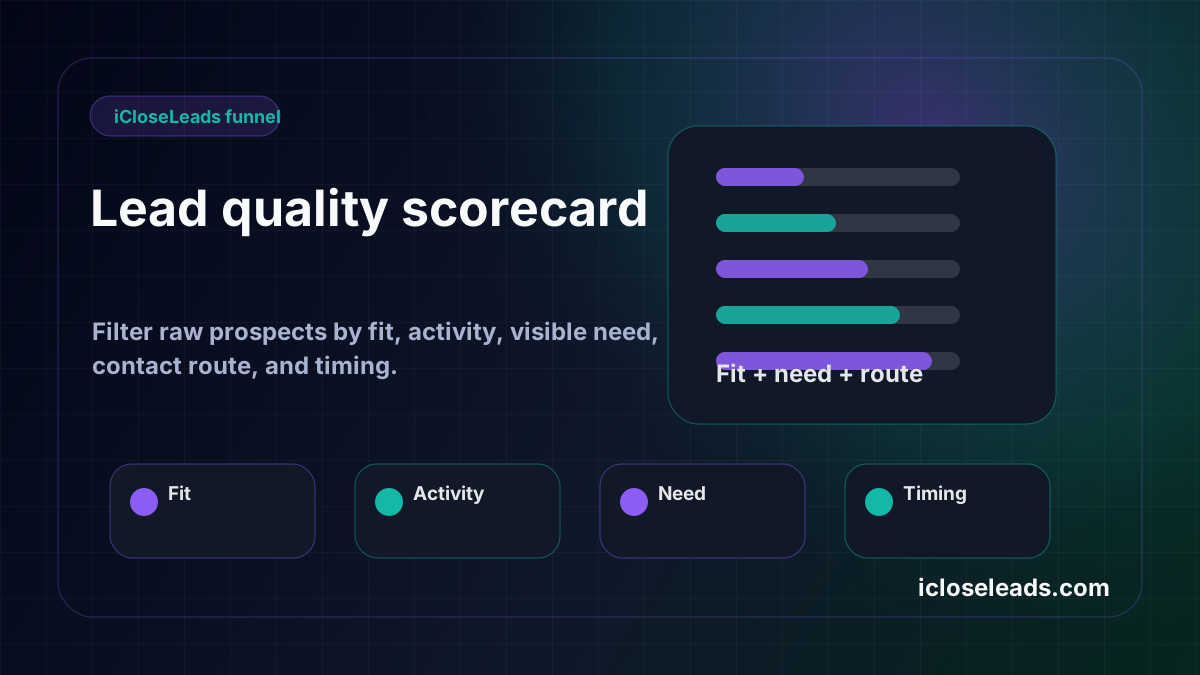
Not every lead is worth chasing. A fast scoring system keeps your energy on the right prospects.
Give each lead a score from one to five based on: Do they have a clear problem you can solve? Are they actively hiring or showing buying intent? Do they have revenue to pay your rate? Can you reach a decision-maker directly?
Only follow up on leads scoring four or five. Everything else gets a quick template response or gets skipped. You are not running a volume game — you are running a precision game.
iCloseLeads scores leads automatically by niche and source quality, so you can see at a glance which leads are worth your time and which ones to skip.
The Mindset Shift That Makes It Stick
The hardest part of building a pipeline is not the tactics. It is showing up when you are busy.
When you land a good project, it feels unnecessary to keep prospecting. Then the project ends, and you are back to zero. The freelancers who avoid this treat prospecting as a non-negotiable appointment, not something they do when they have time. Two hours on the calendar, every week, regardless of current workload.
They also measure activity, not outcomes. You can not control whether a prospect replies. You can control whether you sent ten emails this week. Tracking activity keeps the system running even when the results feel slow.
Starting From Zero
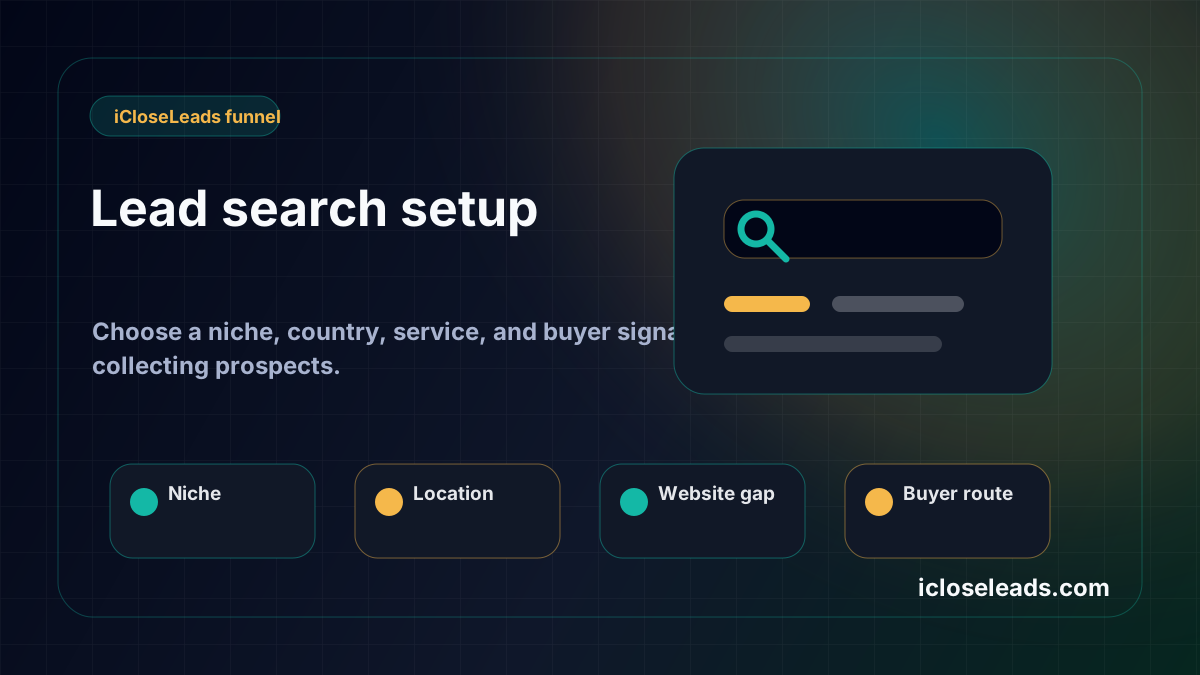
If your pipeline is empty right now, the fastest way to restart it: pick one niche and one industry, pull 30–50 qualified leads using a lead generation tool, write one solid outreach template you can personalize in sixty seconds per email, send it to your best ten leads this week, and follow up five days later.
That is a full week’s pipeline work. If you do that every week for a month, you will have more conversations than most freelancers have in a quarter.
Start building your freelance pipeline with iCloseLeads — free during Early Access.
Visual workflow
See the system before you build it
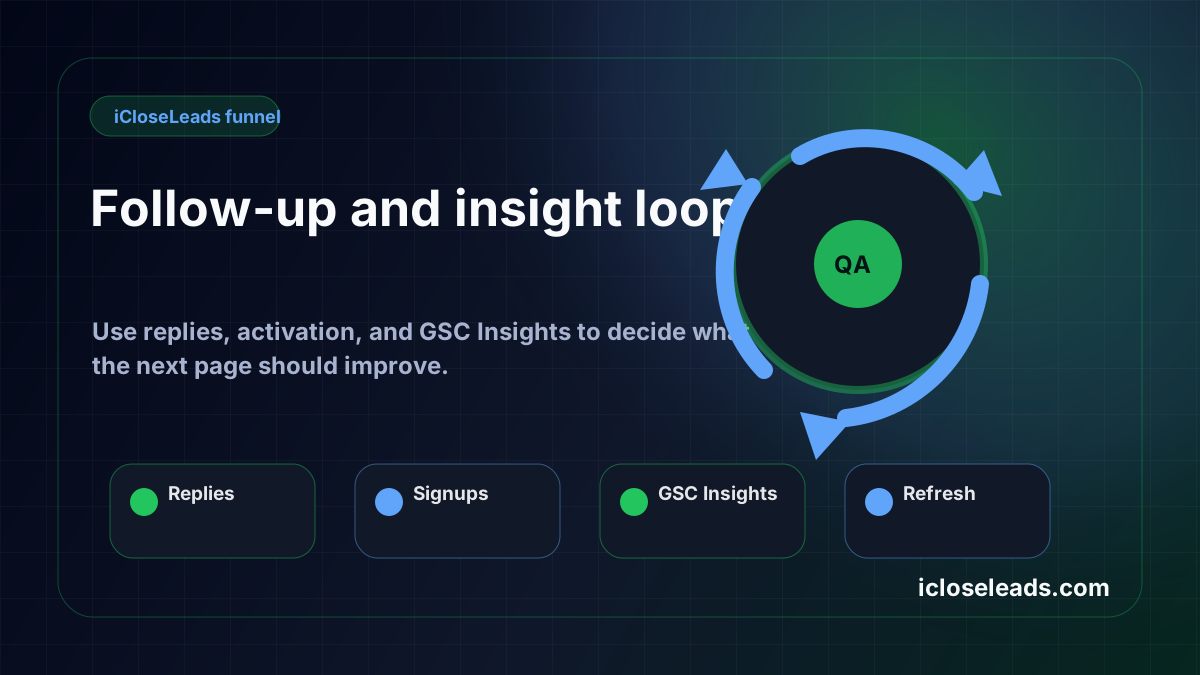
Turn the article into a lead workflow
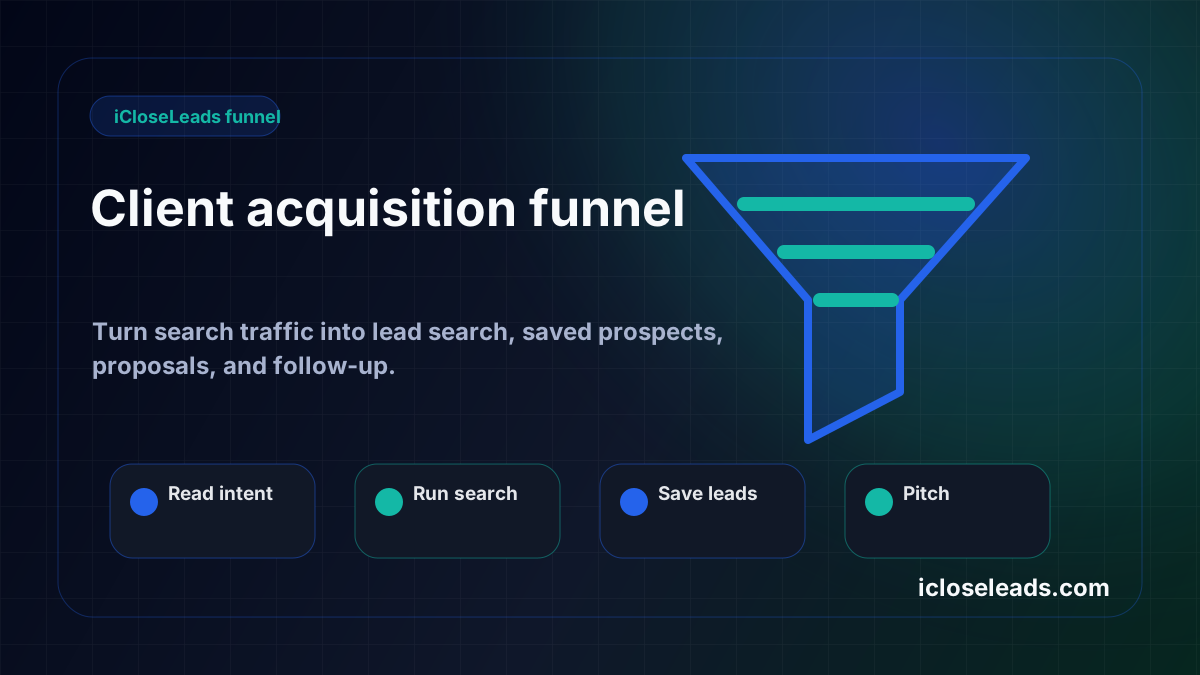
Use the idea from this guide to find prospects, save only the best opportunities, prepare a specific pitch, and keep the follow-up attached to the original lead. Free users can start with 600 lead searches, then use the first saved lead as the test.
iCloseLeads Team
We study what works in freelance client acquisition so you don't have to. Subscribe for weekly insights.


