Best CRM for High-Ticket Closing in 2026 (Compared)
Most CRMs are built for volume, not high-ticket closes — and that mismatch costs freelancers deals every week. Here's a clear-eyed comparison of the best CRM tools for high-ticket closing in 2026, including one built specifically for freelancers who can't afford to babysit a pipeline.

If you're closing deals worth $2,000, $5,000, or more per client, using a CRM designed for SaaS sales teams is like bringing a bulldozer to a chess match. Most tools in this space were built to handle hundreds of low-value leads, not the careful, relationship-driven process that high-ticket closing actually requires. In 2026, the gap between "generic CRM" and "built for closers" has never been wider — and picking the wrong tool will cost you deals you didn't even know you were losing.
What High-Ticket Closing Actually Demands From a CRM
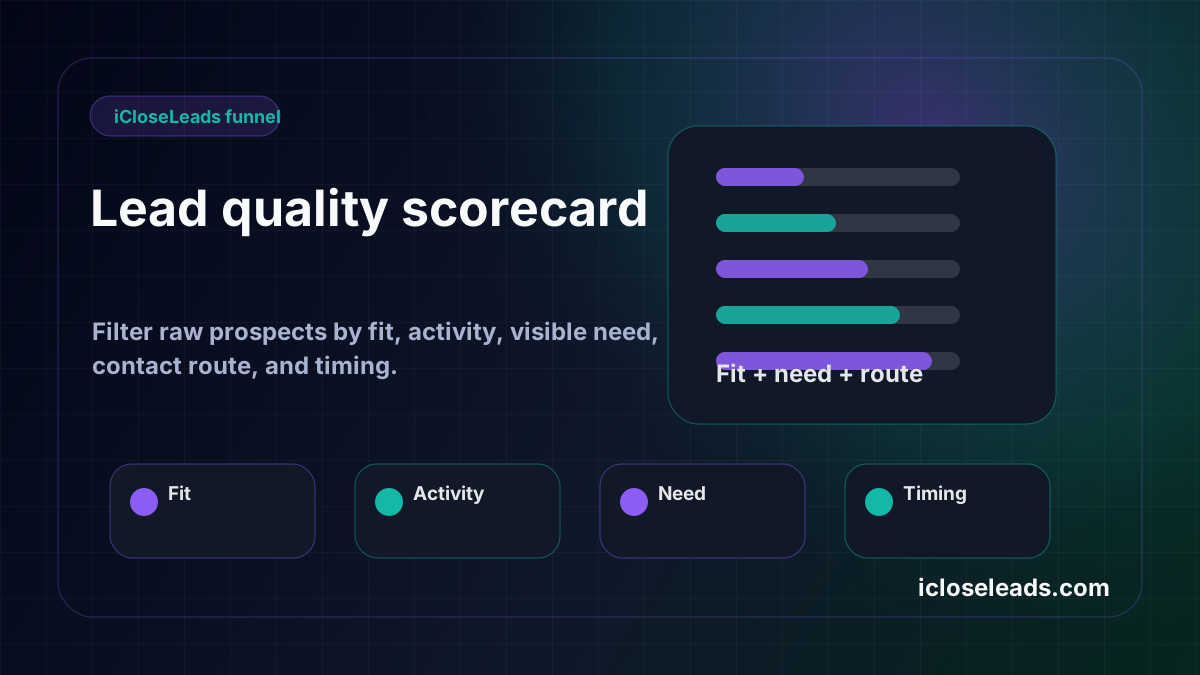
High-ticket closes involve longer nurture cycles, more touchpoints, and a much lower tolerance for dropped follow-ups. A $5,000 client won't wait three days for a reply because your inbox swallowed their message. The CRM you use needs to do three things well: surface warm leads at the right moment, make follow-up near-automatic, and keep the relationship history clean enough that you never have to ask "wait, where did we leave off?"
Most platforms fail on at least one of those fronts. Here's how the main contenders stack up in 2026.
Close CRM: Powerful, But Priced for Teams
Close CRM is genuinely impressive for what it does — built-in calling, smart views, and sequences that actually work. But at $49–$99/month per seat for solo freelancers, you're paying for features designed around a 10-person SDR team. The lead discovery side is completely absent; you're expected to bring your own list. For high-ticket freelancers who need to both find and close, that's a real gap.
HubSpot: The Kitchen Sink Problem
HubSpot's free tier is tempting until you realise you need sequences (paid), predictive scoring (paid), and custom reporting (paid). By the time you've unlocked the features that matter for high-ticket work, you're at $450+/month on the Sales Hub Professional plan. It's a genuinely good tool for marketing-heavy agencies, but the complexity-to-value ratio for a solo closer or small freelance operation is brutal. You'll spend more time learning HubSpot than you will closing.
Pipedrive: Clean Pipeline, No Lead Intelligence
Pipedrive is the most intuitive pure-CRM on this list. The visual pipeline is clean, the mobile app is solid, and the deal management features are genuinely well-designed. The problem: like Close, it has no lead generation layer. You still have to fill the top of that pipeline yourself, and at $32–$64/month, you're paying for pipeline management without the prospecting muscle. For freelancers trying to close high-ticket deals, that first mile — finding and qualifying the right prospect — is where most of the work lives.
Notion CRM (DIY Builds): Flexible But Fragile
Notion-based CRMs have a cult following for a reason: they're infinitely customisable and cost almost nothing. But "customisable" means "you have to build and maintain it," and DIY systems tend to collapse the moment life gets busy. There's no automation, no reminders, no lead scoring. For a $500 deal, maybe that's fine. For a $5,000 deal where the follow-up timing matters, a Notion database with no alerts is a liability.
iCloseLeads: Built for Freelancers Who Need to Find and Close
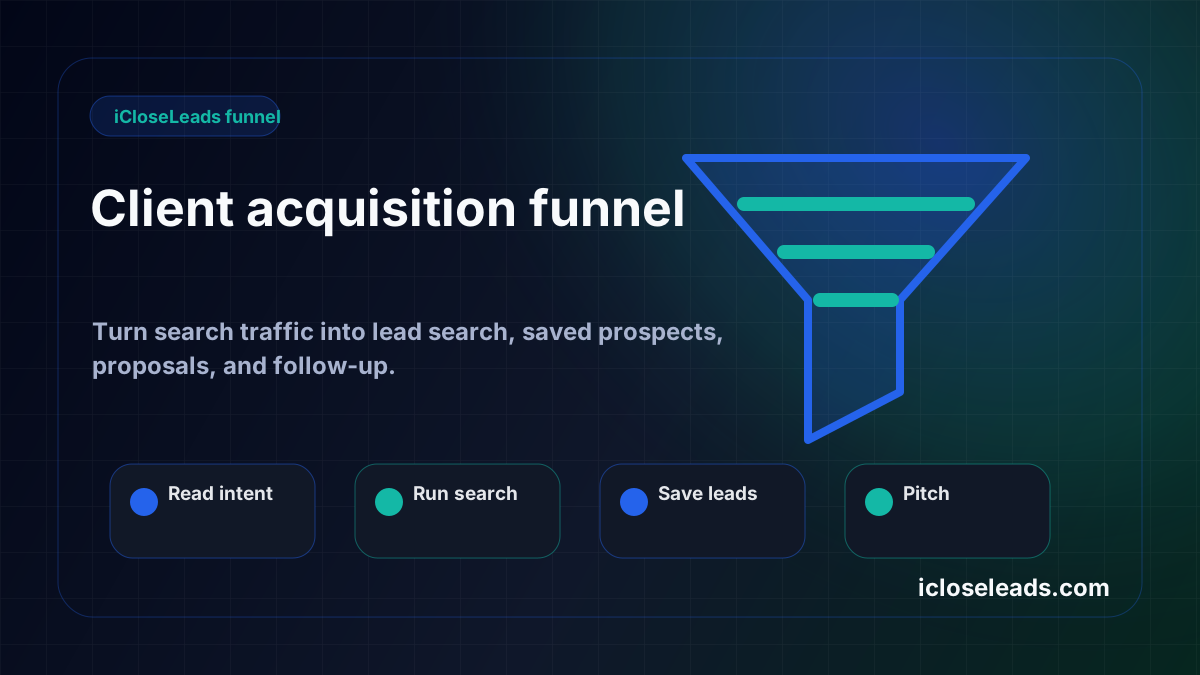
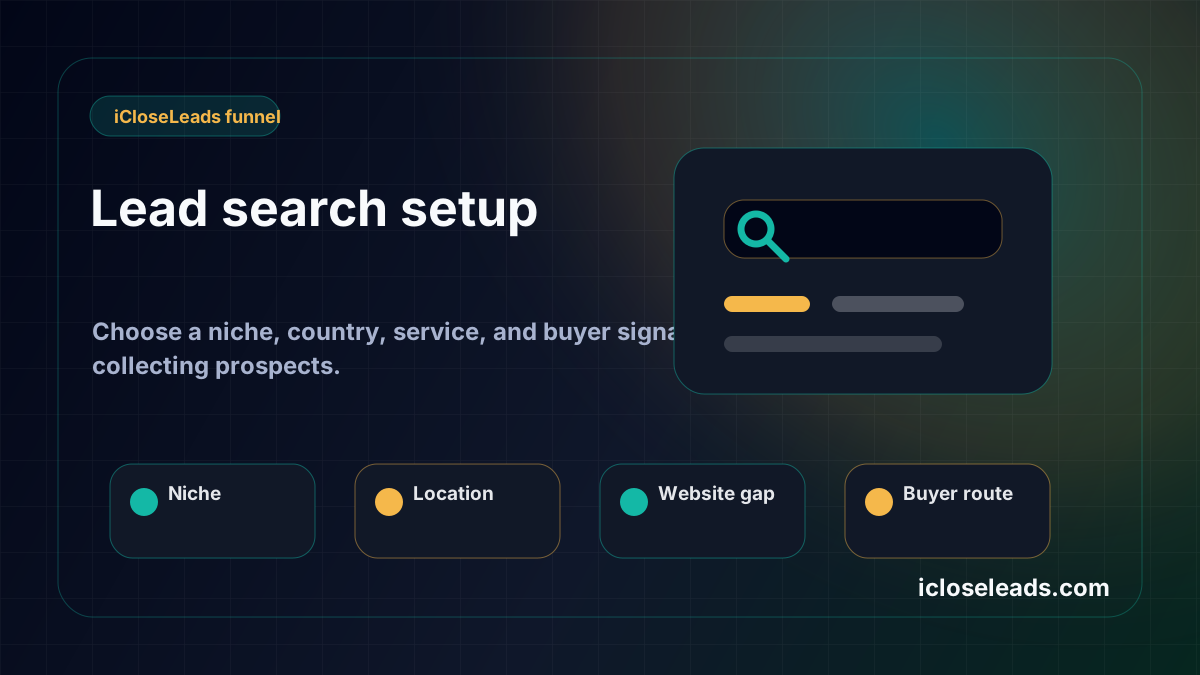
The fundamental difference with iCloseLeads is that it combines lead discovery with pipeline management in a single tool — which is actually what most freelancers need, even if they don't frame it that way. Instead of importing a CSV of cold prospects, you can surface businesses actively looking for services like yours, then move them into a structured pipeline without switching apps.
For high-ticket closing specifically, the follow-up sequencing is where it earns its keep. Deals at this price point rarely close on the first touchpoint — the average high-ticket close in 2026 takes 4–7 follow-ups. Having those sequences automated without a $400/month HubSpot subscription changes the economics significantly.
The 5-Touchpoint High-Ticket Follow-Up Framework
Here's a sequence you can copy directly into your pipeline tool of choice:
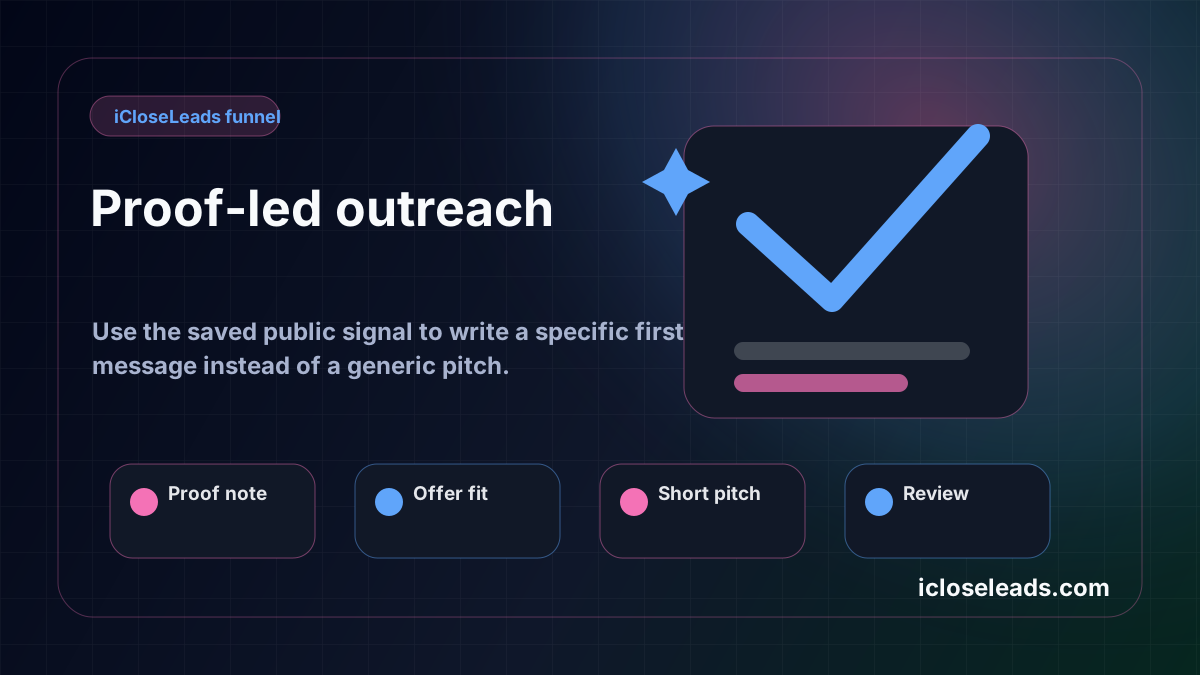
Day 0 — Initial outreach: Short, specific intro. Reference something real about their business. No pitch yet.Day 2 — Value add: Send one relevant insight, case study, or resource with no ask attached.Day 5 — Soft probe: "I had a thought about [specific problem they likely have] — would it make sense to talk through it for 15 minutes?"Day 9 — Social proof: Share a specific result from a similar client. Keep it factual, not salesy.Day 14 — Break-up message: "I'll stop following up after this — but if the timing is ever right, I'm here." This one gets replies more often than any other touchpoint.
The break-up message sounds counterintuitive, but for high-ticket prospects who are genuinely busy (not uninterested), it creates urgency without pressure. It's the difference between a deal dying quietly and a deal reopening six weeks later when the timing shifts.
The Real Decision: Generalist vs. Purpose-Built
If you're already inside a large agency with a sales team and a marketing ops person, HubSpot or Close makes sense — you have the infrastructure to get value from them. If you're a solo freelancer or running a lean operation where you're doing your own prospecting, every hour spent configuring a CRM is an hour not spent closing.
The best CRM for high-ticket closing in 2026 isn't necessarily the one with the most features — it's the one you'll actually use consistently when you're busy. A simple, automated pipeline that surfaces the right leads and reminds you to follow up beats a powerful platform gathering dust in a browser tab.
If you want to see what a pipeline built for freelance closers looks like in practice, try iCloseLeads free — it takes about five minutes to get your first leads in front of you, no CSV import or lengthy setup required. The leads dashboard surfaces prospects you can actually reach out to today, not a template you have to populate yourself.
Visual workflow
See the system before you build it
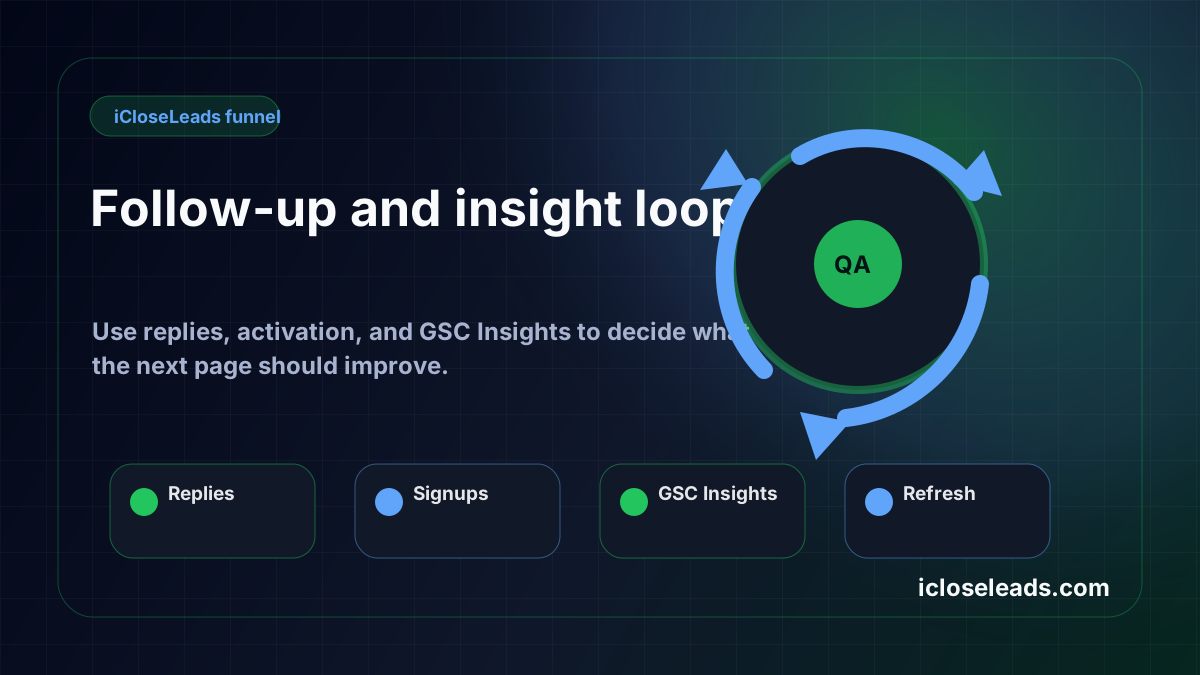
Turn the article into a lead workflow
Use the idea from this guide to find prospects, save only the best opportunities, prepare a specific pitch, and keep the follow-up attached to the original lead. Free users can start with 600 lead searches, then use the first saved lead as the test.
iCloseLeads Team
Helping freelancers build sustainable client pipelines through direct outreach and AI-powered tools.


